
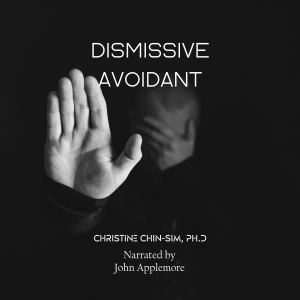
The Dismissive Avoidant Attachment Style & How Childhood Traumas Can Result in Dysfunctional Behaviors in Adult Relationships
Dr. Christine Chin-Sim, Ph.D.
Premium
Opening Credits
1/18/2023
Dedication
1/18/2023
Why I Wrote This Book
1/18/2023
Chapter 1: Introduction
1/18/2023
Chapter 2: What is Attachment Theory
1/18/2023
Chapter 3: John Bowlby's Research Findings
1/18/2023
Chapter 4: Ainsworth's Contribution
1/18/2023
Chapter 5: Childhood Experience
1/18/2023
Chapter 6: Caregiver's Profile
1/18/2023
Chapter 7: Attachment Profile Quiz
1/18/2023
Chapter 8: Core Wounds
1/18/2023
Chapter 9: How You Show Up in Relationships
1/18/2023
Chapter 10: Patterns of Behavior
1/18/2023
Chapter 11: What You Need to be Happy
1/18/2023
Chapter 12: What is Emotional Intelligence
1/18/2023
Chapter 13: How to Develop Emotional Intelligence
1/18/2023
Chapter 14: Why Healing Can be Challenging
1/18/2023
Chapter 15: How You Experience Relationships
1/18/2023
Chapter 16: After a Breakup
1/18/2023
Chapter 17: Challenges of Change
1/18/2023
Chapter 18: The Road to Healing
1/18/2023
Chapter 19: Exercise 1 - Core Wounds
1/18/2023
Chapter 20: Exercise 2 - Disturbing Entrenched Habits
1/18/2023
Chapter 21: Exercise 3 - Overcoming Fear of Change
1/18/2023
Chapter 22: Exercise 4 - Replacing Toxic Patterns
1/18/2023
Chapter 23: Exercise 5 - Asking for Help
1/18/2023
Chapter 24: Exercise 6 - Forgiveness
1/18/2023
Chapter 25: Exercise 7 - Identifying Emotions
1/18/2023
Chapter 26: Exercise 8 - Recognize Common Emotions in Others
1/18/2023
Chapter 27: Exercise 9 - Communicating With Empathy
1/18/2023
Chapter 28: Exercise 10 - Identifying Your Partner's Love Language
1/18/2023
In Closing
1/18/2023
Ending Credits
1/18/2023